







Zarsaaz

At Zarsaaz, we build software that carries real weight: AI platforms, enterprise systems and the products businesses run on. Tell us what you are building.

Selected frames

Every project leaves a picture behind

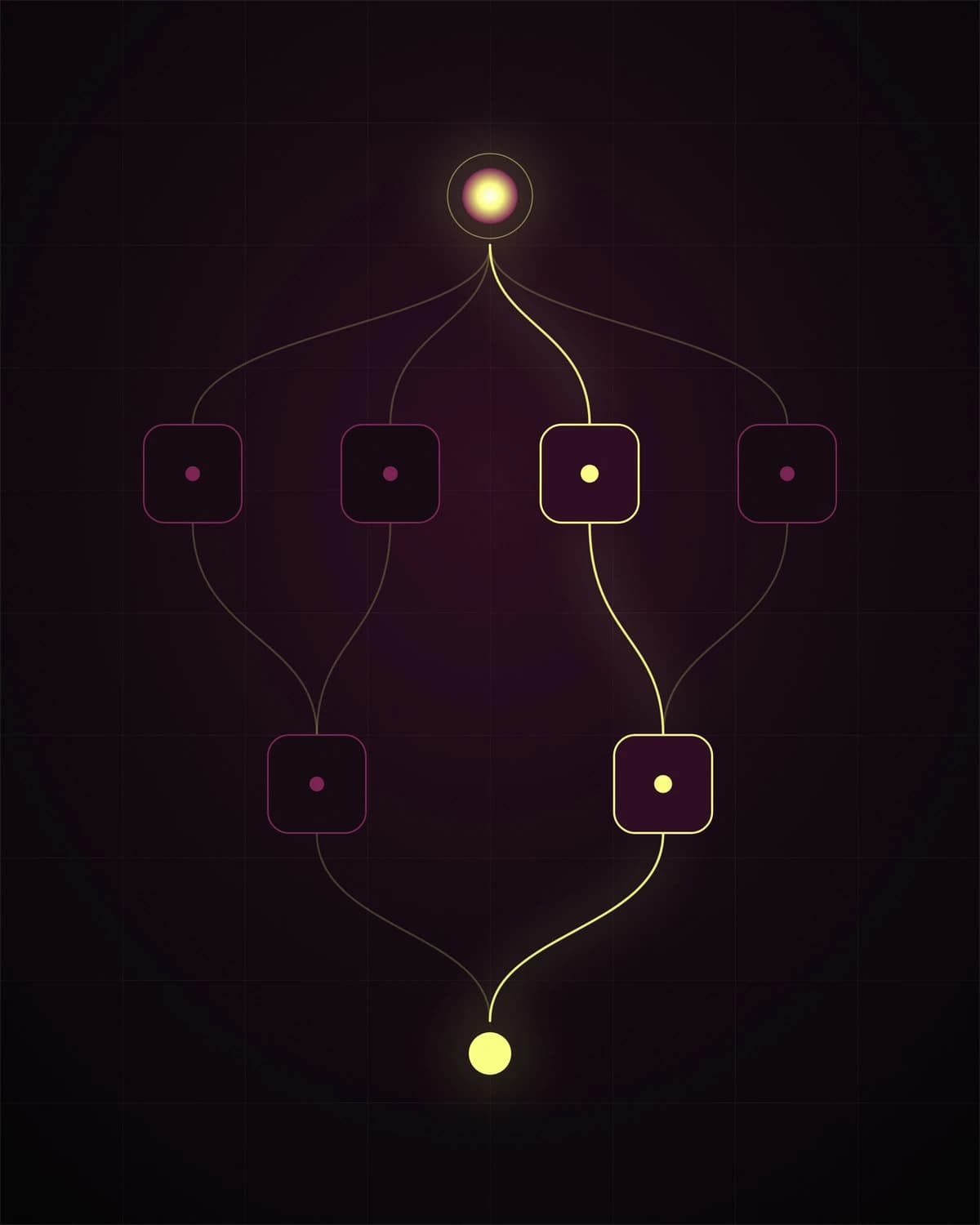
A question in a speech bubble routed down through a lit node into three system tiles, the calendar one lit
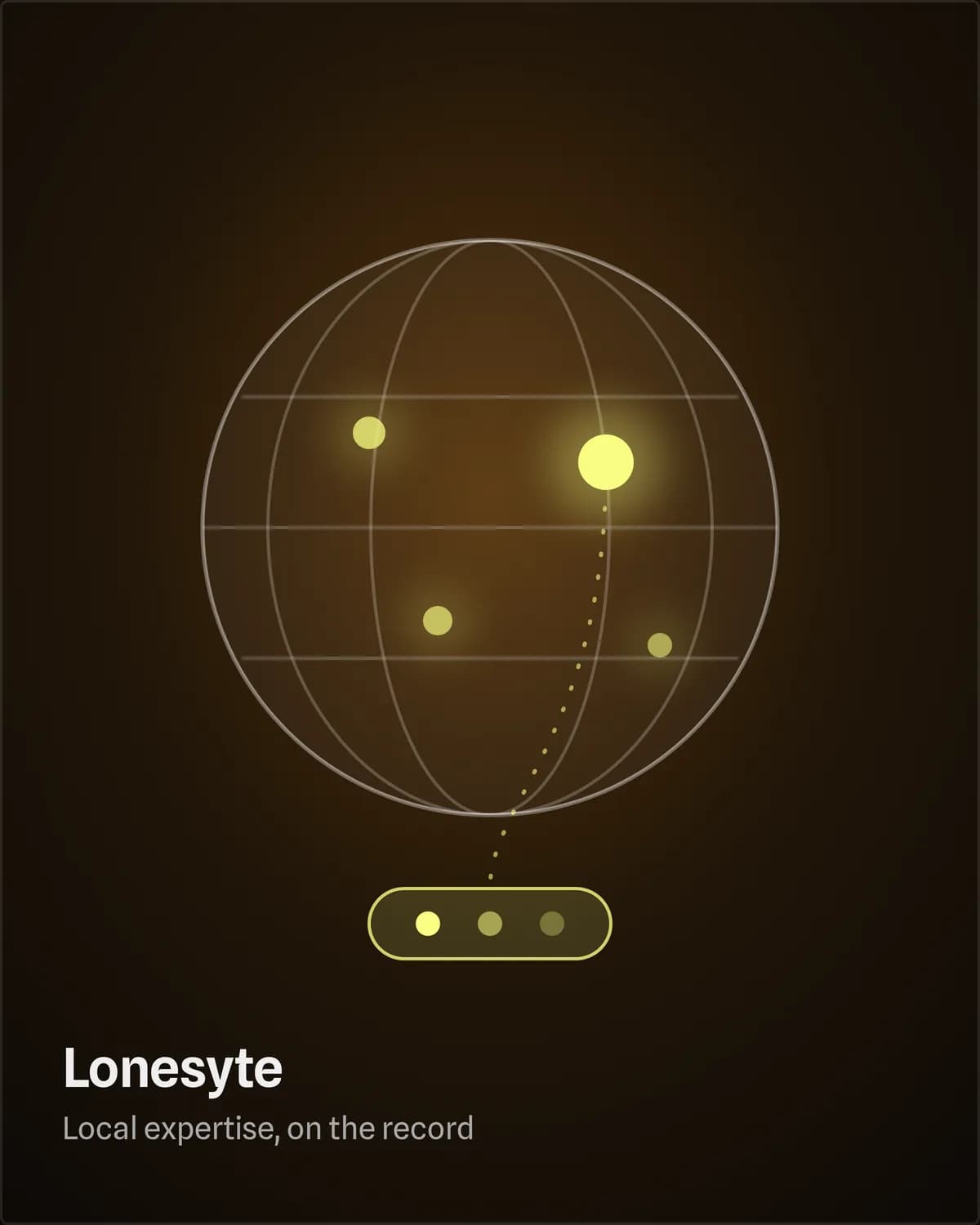
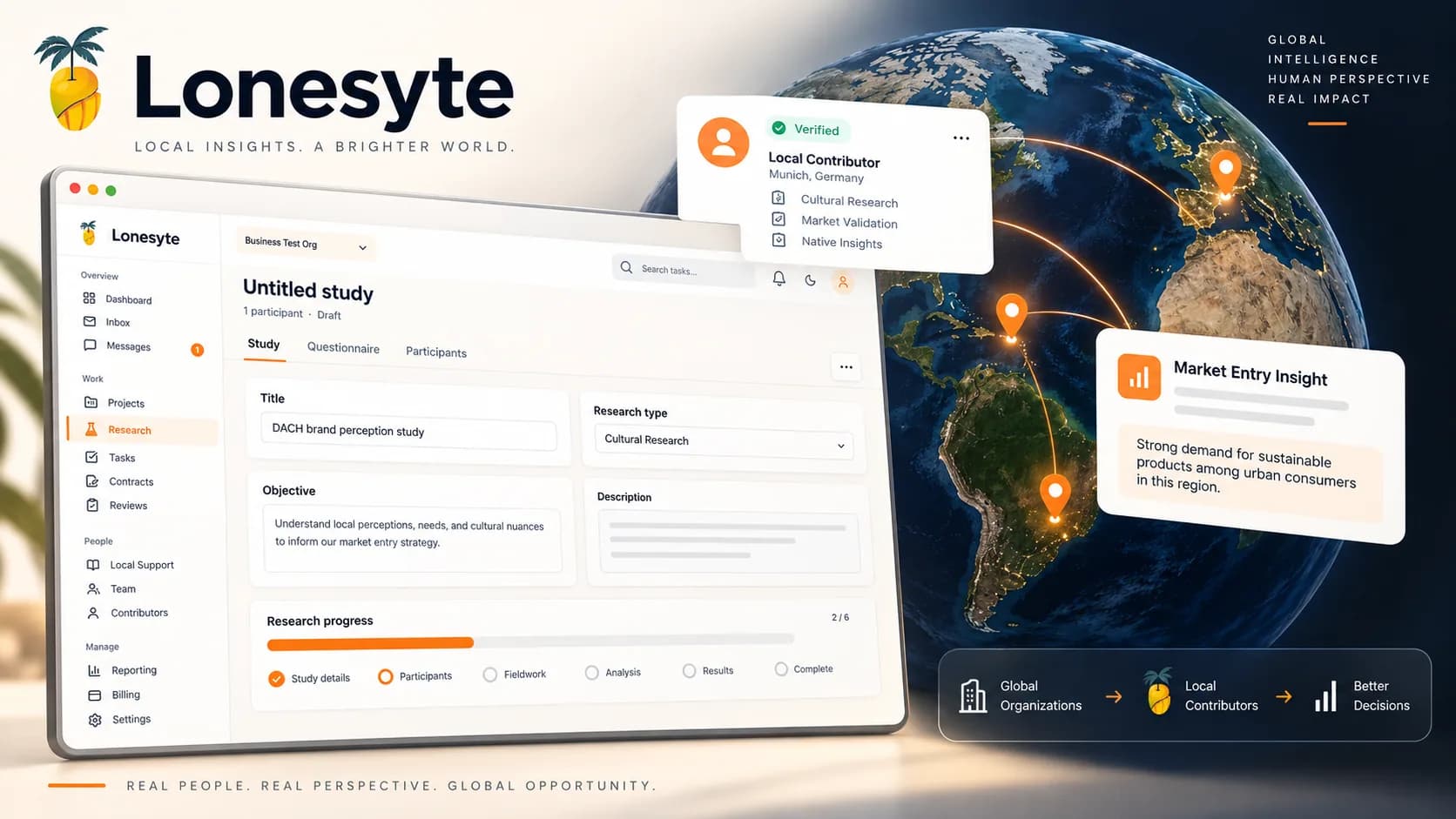
A meridian globe with four lit clusters on it, one of them tracing a dotted line down to a single panel
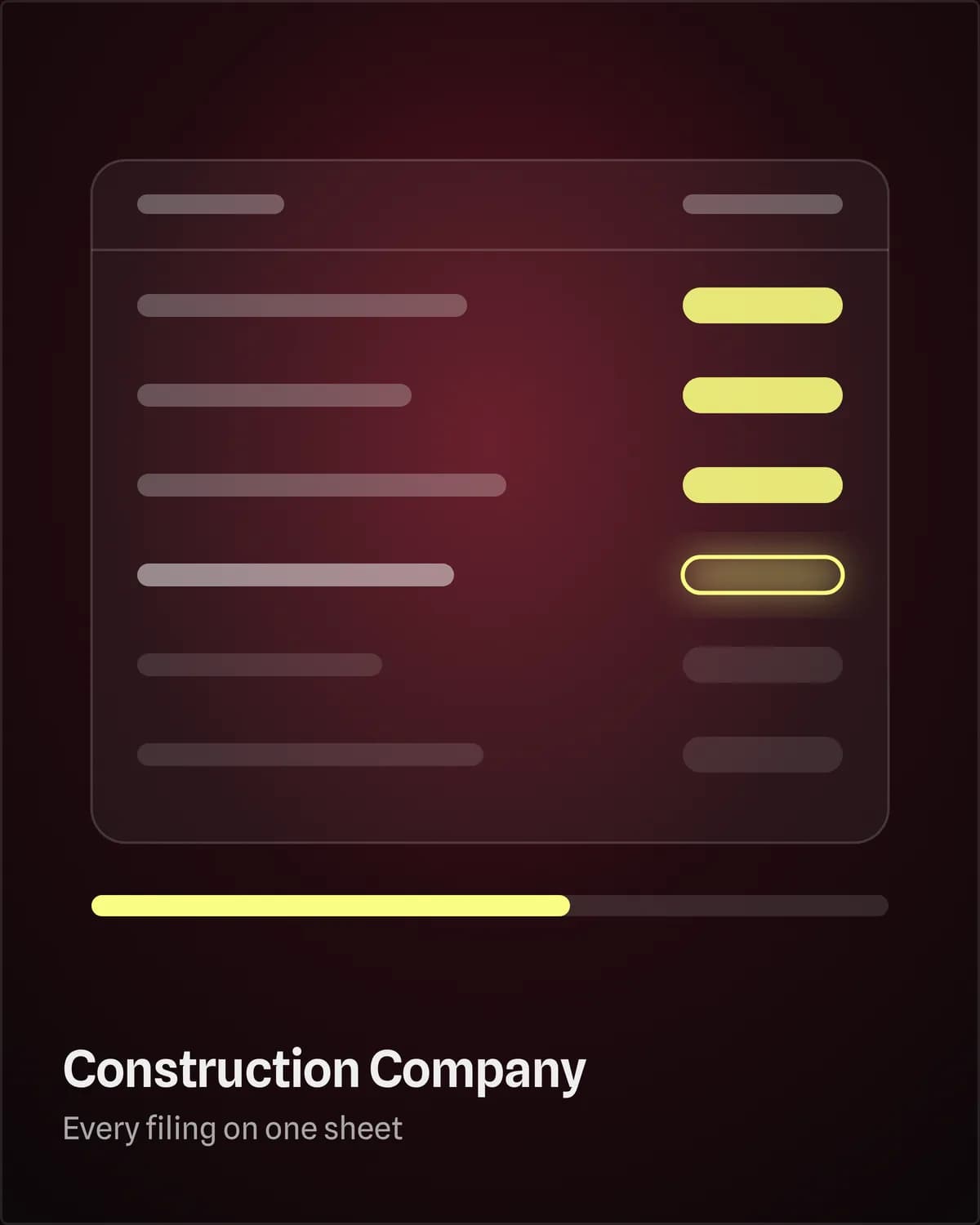
A filing sheet of six rows, three cleared and one in flight, over a progress bar a little past half

Who we are

Engineers who turn hard requirements into systems that hold

Zarsaaz Solutions is a software house in Lahore building AI platforms, enterprise systems and custom software. We work end to end, from gathering requirements through architecture, delivery and the operational detail that keeps a system running once real users depend on it.

More about us

What we are building for ourselves

Internal products

Our own products, carried by the same team and the same standard as client work. Each one states how far along it is.

Mandi System

In development

A trading and settlement platform for wholesale produce markets: lot intake, live auction pricing, commission-agent ledgers and end-of-day settlement in one system.

  • Current phaseSettlement and ledger hardening
  • Work items6 of 11 done

55%Complete

  • TypeScript
  • Next.js
  • NestJS
  • PostgreSQL
  • Prisma
  • Redis
  • React Native
Read the case study

See all internal projects

Working with us

The difference is in how the work runs

The usual agency arrangement compared with working with Zarsaaz Solutions
The usual arrangementWith Zarsaaz
Who you talk toAn account manager relays questions to a team you never meet.The engineers building the system, from the first call to launch.
When the hard parts surfaceLate, once the demo works and the edge cases arrive.In scoping. The riskiest piece is named and tackled first.
Access, payments, failure pathsA later phase, after the features.Part of the first build, because they are expensive to retrofit.
How progress is shownSlide decks and percentage-complete estimates.A running environment you can use, updated slice by slice.
After launchHanded to a support desk that did not build it.The same team keeps it running and knows why it works.

Engineering

Architecture first

Systems are designed around clear boundaries before code is written, so components can be understood and replaced independently.

Production from day one

Authentication, roles, payments and error paths are treated as core requirements rather than work deferred until after launch.

AI where it earns its place

Retrieval pipelines and model integrations are built to solve a defined problem, not added because the technology is available.

TypeScriptReactNext.jsReact NativeNestJSGoGinFiberFastAPIPrismaPostgreSQLRedisElasticsearchDockerAWSLinuxCloud NetworkingExcel AutomationGSAPTypeScriptReactNext.jsReact NativeNestJSGoGinFiberFastAPIPrismaPostgreSQLRedisElasticsearchDockerAWSLinuxCloud NetworkingExcel AutomationGSAP

How an engagement runs

From the first call to a system someone still answers for

Five steps, the same engineers throughout. You can see the work at every one of them.

Book a discovery call
  1. Discovery call

    Thirty or sixty minutes with the engineers who would build it. We talk through what exists, what has to change and what would make it a success.

    You getA straight answer on fit and feasibility

  2. Scope and architecture

    Requirements written down, boundaries drawn and the riskiest parts named first, so the plan is built around them rather than surprised by them.

    You getA written scope you can hold us to

  3. Build in slices

    Work lands in small, reviewable pieces on a running environment. Progress is something you click through, not a status report.

    You getWorking software from the first slice

  4. Test and harden

    Access control, payments, failure paths and performance are checked by automated tests, not asserted in a meeting.

    You getChecks that keep running after launch

  5. Launch and operate

    Monitoring and runbooks go live with the system. The people who built it stay with it once real users depend on it.

    You getA system someone is still accountable for

Hear from the teams we build with

  • Fennar

    Upwork client

    They scoped it honestly, shipped on the date they gave us, and the system did not wobble the first week real traffic arrived.

    Fennar

    Upwork client

  • Paratez

    Upwork client

    The retrieval pipeline was built around our actual data rather than a demo set. Answers held up in production and we could see why each one came back.

    Paratez

    Upwork client

  • Habib

    Client project

    We handed over a rough idea and got back something our users understood on first open. The handover to our own team took a week, not a quarter.

    Habib

    Client project

  • Darshan

    Client project

    Roles, permissions and billing were settled before launch instead of after it. That is the part nobody sells you and the part we needed most.

    Darshan

    Client project

Say hi, and let’s get to work

Let’s discuss your ideas

  • Construction Company
  • Mandi System
  • Build AI
  • Lonesyte