
Who we are
About
Zarsaaz Solutions is a software house in Lahore, Pakistan building AI platforms, enterprise systems and custom software, both for clients and for our own products alongside that work.

The practice
We take work from requirements through architecture and delivery, and stay with it once real users depend on it.
Led by Muhammad Ahmad Arshad, a software engineer with a BS in Software Engineering from the University of Management and Technology.
How we work
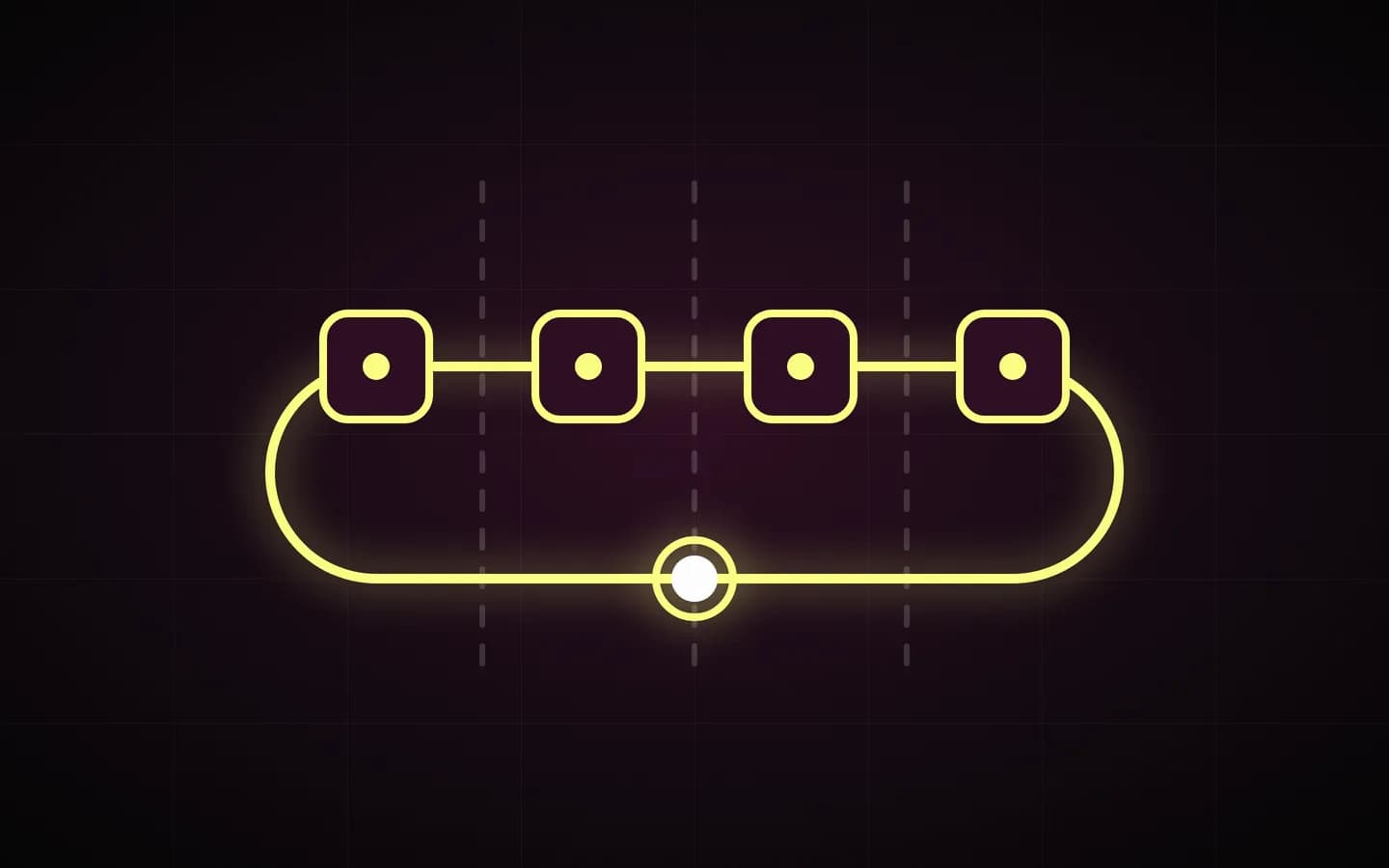
End to end, not hand-off
The same people who scope a system architect it, ship it and keep it running. Nothing is thrown over a wall at the point it gets difficult.
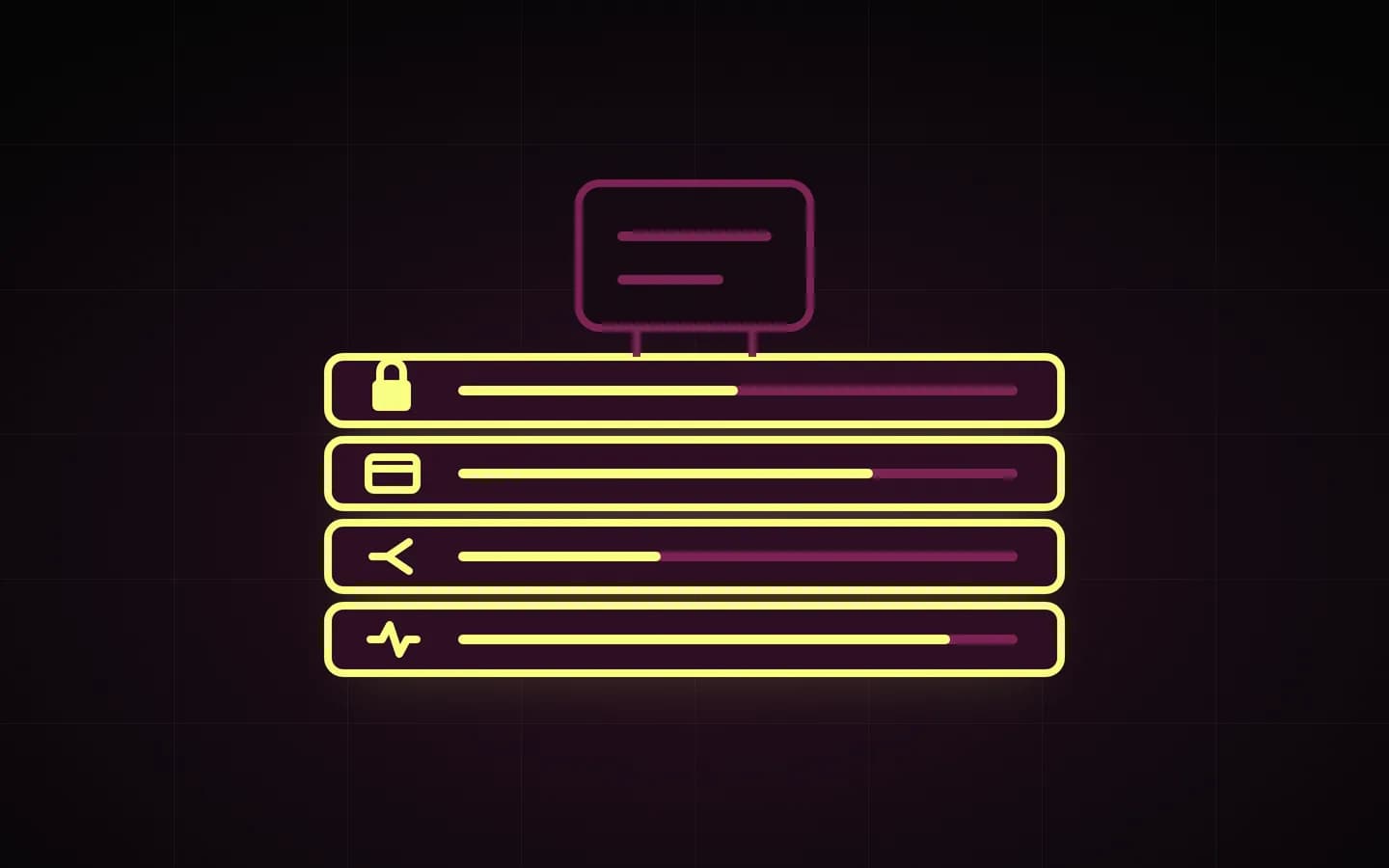
Production is the requirement
Access control, payments, failure paths and observability are part of the first build, because they are the parts that cannot be retrofitted cheaply.
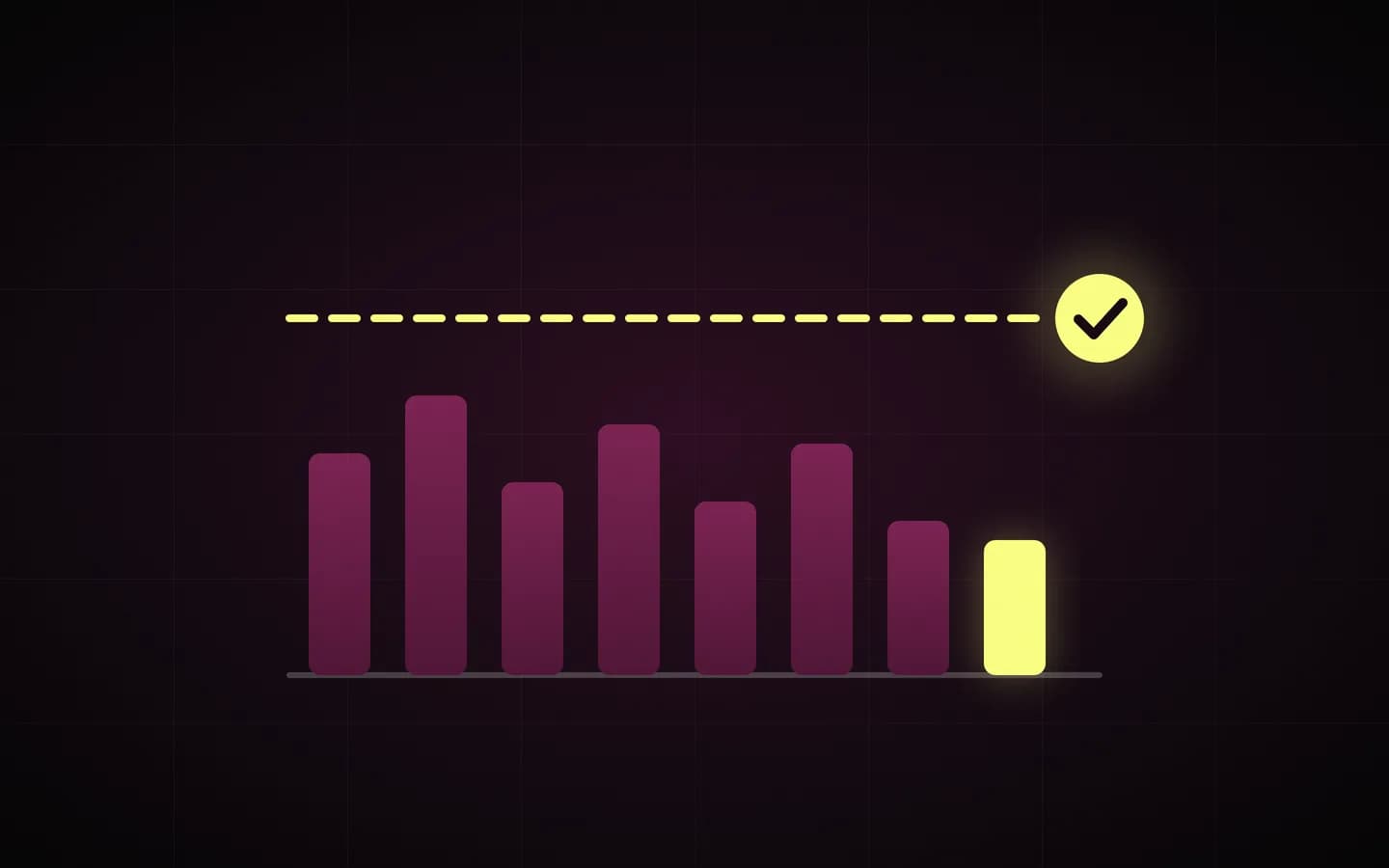
Measured, not asserted
Performance and accessibility budgets live in the test suite. A claim that is not checked by something automated is only a preference.
What a project runs through
Understand
Requirements, constraints and the decisions already made. We would rather find the hard part in week one.
Architect
Boundaries drawn before code, so pieces can be understood, tested and replaced on their own.
Build
Shipped in reviewable slices against a working environment, not a big-bang integration at the end.
Operate
Monitoring, runbooks and the unglamorous detail that keeps a system standing once real users depend on it.
What we build with
Chosen layer by layer, for reasons we can explain. Every tool below has shipped in real work, and most rows link to where.
Interfaces
Server-rendered React, so a page is readable before its JavaScript arrives and fast on the phones people actually use. Motion is added on top, never required.
Mobile
One React Native codebase for both stores, sharing types and logic with the web client, with native modules where hardware such as NFC is involved.
Services and APIs
NestJS for modular domain services with role-based access. Go, with Gin or Fiber, where throughput and a small footprint matter. FastAPI where the work sits beside Python tooling.
Data
PostgreSQL as the system of record, with migrations typed through Prisma. Redis for caching and queues, Elasticsearch where search has to be fast and forgiving.
AI
Retrieval over the client’s own data, kept in Postgres with pgvector, and model providers behind one interface so a model can be swapped without a rewrite. Agents are wired to act in the systems of record, not only to answer.
Integrations
The systems a business already runs on: payments, commerce, CRM and messaging, integrated as first-class parts of the build rather than bolted on afterwards.
Infrastructure
Containerised builds that run the same on a laptop and in production, deployed to AWS or a plain Linux host behind a reverse proxy.
Say hi, and let’s get to work
Let’s discuss your ideas
- Construction Company
- Mandi System
- Build AI
- Lonesyte